


If you’re just starting out growing your own goods and flavours, most gardeners will advise you to start with herb seeds or herb plants. Herbs are an easy and fun way to add interest to your garden and to your kitchen, and they can be grown on whatever scale you wish.
Whether you want to have a dedicated herb garden or a few pots on your windowsill or by your back door, there are herbs to suit your needs. Here we will look at some easy herbs to grow; find out what herbs grow well together, and the difference between perennial vs annual herbs.
The “Unkillables”: Easy Herbs for Beginners
If you're just starting out, confidence matters more than variety. These easy herbs to grow will help you build confidence in your garden and in yourself. Some herbs cope well with intermittent watering and changing weather patterns on the occasional heavy-handed harvest; these are what we refer to as the "unkillables", and they are ideal for beginners.
So, what are the best herbs to grow if you're just starting out?
Thyme plants and rosemary plants – these classic Mediterranean herbs prefer free-draining soil, so be sure to add some drainage like grit into the bottom of your pot and make sure they aren't sitting in wet soil. They enjoy a sunny location but can tolerate a wide range of weather conditions, including frost. When you have the conditions right, they will grow and thrive in your garden with very little care. They are extremely tolerant of warm weather and don't mind being harvested regularly once they're established.
Mint plants will grow almost anywhere and spread through their roots, which can be highly invasive, so always grow them in a container. It’s not fussy but prefers full sun or partial shade. There are lots of fun varieties of mint to try to suit every palette.
Chive plants are reliable and sturdy. They can be harvested often, including the flowers, which add a touch of class to infusions, and they work brilliantly as companion plants in your vegetable garden.
What Herbs Grow Well Together: The Golden Rule
When people ask what herbs grow well together, the answer usually comes down to understanding the conditions they prefer to grow in. Herbs that enjoy similar conditions will usually grow happily together side by side, and this makes caring for them easier too.
The simplest way to do this is through a process called hydro zoning. This simply means grouping plants together depending on how much water they need. Mediterranean herbs like thyme and rosemary enjoy drier conditions and full sun. Soft annual herbs, however, like both basil plants and coriander plants prefer more moisture and richer soils. Mint enjoys regular watering, but due to its habit of taking over, it should be kept separate from other plants.
Here are some examples of groupings that work well:
- Thyme, rosemary and sage plants. These all like full sun and good drainage, though sage can grow very large very quickly, so care should be taken to ensure the rosemary and sage both have plenty of space.
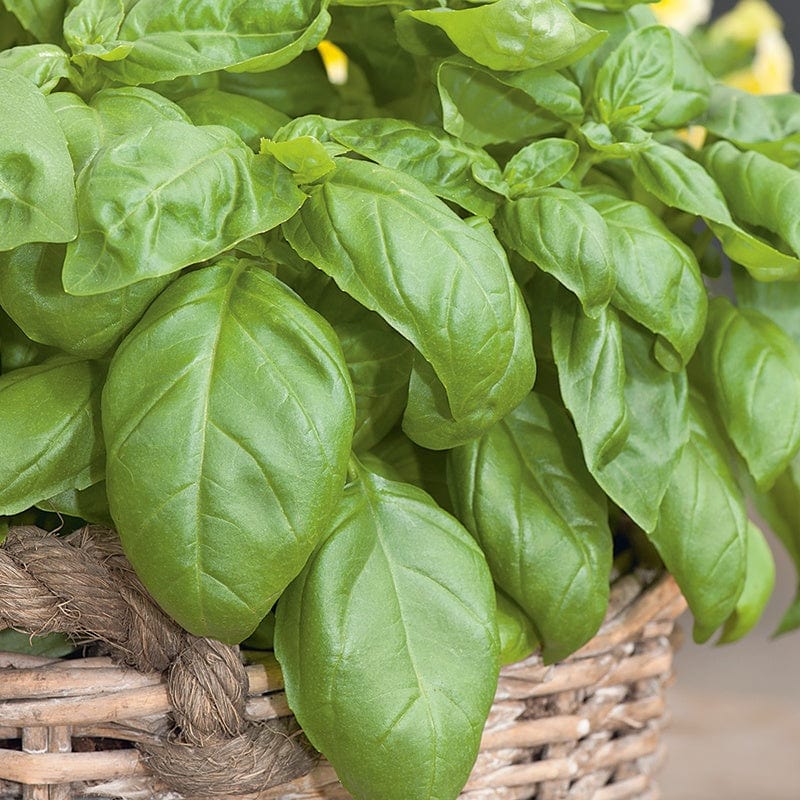
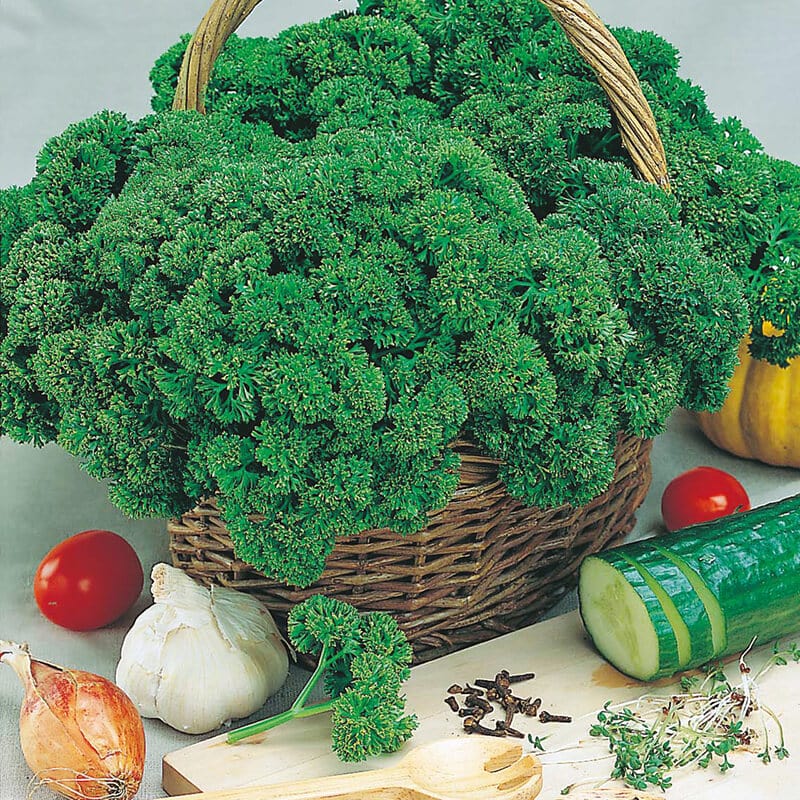
- Basil, coriander, and parsley plants are all annuals and enjoy soils that are evenly moist and not too much direct sun. These are great herbs to grow together, especially on a windowsill.
Related Products
What Are Good Herbs to Grow Indoors?
Growing herbs indoors can brighten up a room, add a beautiful scent and make harvesting quick and easy. Usually, the closer our herbs are to the kitchen, the more likely we are to use them.
When asking what herbs are good to grow indoors, the answer depends largely on light. If you have a bright, sunny, south-facing windowsill, this will make all the difference, especially in winter.
Some good herbs to try growing indoors are:
- Basil, which enjoys warmth and bright light.
- Chives that cope well with lower light levels.
- Parsley, which is a steady grower and is happy in lower light.
- Mint, which will grow almost anywhere.
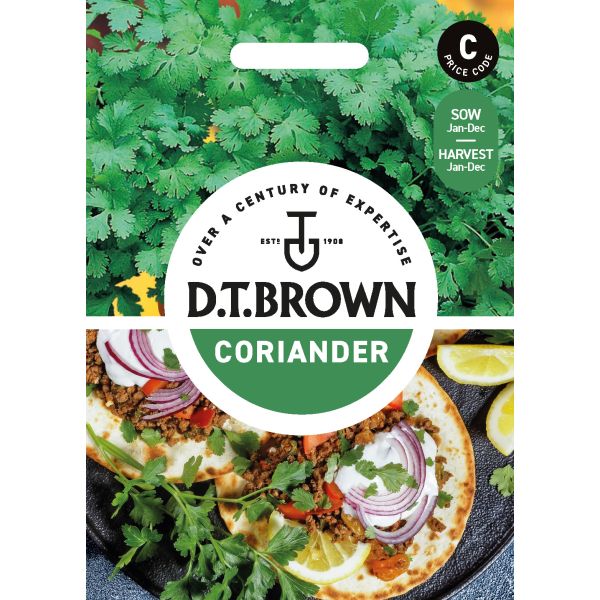
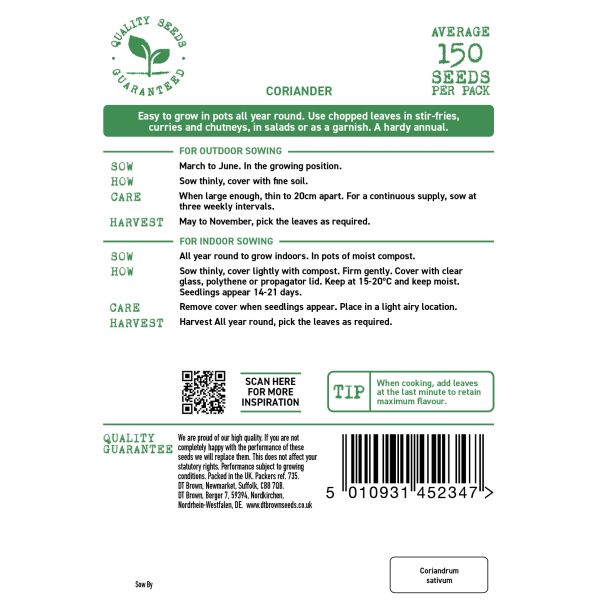
- Coriander, which has a short life cycle, but if kept cool and well-watered, you can harvest it for longer.
When growing herbs indoors, make sure to use pots with good drainage and avoid overwatering. Turning points regularly helps plants to grow evenly rather than lean towards the light. The beauty of growing indoors is that you can keep a close eye on your plants and truly come to understand what they need from you.
The “Chef’s Top Picks”
When flavour is the priority, some herbs stand out not just because they are easy to grow but because they transform our food. These are often considered kitchen garden essentials.
Soft herbs like basil plants, parsley plants and coriander plants bring freshness and should be used soon after picking. Coriander is short-lived but can be sown repeatedly throughout the year to help keep constant harvests.
Mediterranean herbs bring depth to our food with very little input from the gardener. Thyme plants and rosemary will develop stronger flavours when they get older, especially if grown in poor soil rather than rich compost.
When considering perennial versus annual herbs, remember that perennials like thyme, rosemary and chives come back each year and form the backbone of the garden. Annuals, on the other hand, like basil and coriander, need to be sown from herb seeds and grown continually or each year to keep a fresh supply.
Shop Easy Herbs to Grow at D.T. Brown
Herbs are rarely grown in isolation. Creating your own herb garden can bring joy not just to your outside space but also to your kitchen and your food.
By choosing herbs that suit your space and grouping them together thoughtfully, you will save yourself time and effort.
Don't forget to shop our full range of herb seeds and herb plants so you can start creating your own herb garden and grow your own flavour. All our varieties are hand-picked by our experts and tested in our own kitchen gardens for your satisfaction guaranteed. Order now for faster UK delivery.