


Conscientious gardeners who sow only what they need will often be left wondering what to do with leftover seeds. Seed packets containing vegetable seeds, fruit seeds, and flower seeds often contain far more seeds than are necessary for a single year. Here we will look at how to store leftover seeds, how long seed packets last, and whether you can use leftover seeds from last year.
The Three Enemies of Seed Storage
Storing seeds is easy, provided the conditions are right. There are three enemies of seed storage: heat, moisture, and light. At D.T. Brown, foil packs are designed to protect against moisture and light, unlike cheap paper packets, but once they are opened, the clock starts to tick. It's important to store your seeds in a cool, dry, dark place. You can also use silica gel packets, providing they are a safe distance from children in your seed storage, as a desiccant to help them stay dry and keep them in dormancy.
You might also want to consider storing seeds in the refrigerator if you have the space, as this can extend their shelf life and preserve their viability. To give you some idea as to how refrigeration can preserve the life of seeds, the Global Seed Vault is situated underground on Svalbard, an island off the North Coast of Norway. This location was chosen specifically because it is so cold, dark, and dry.
How Long Do Packets of Seeds Last?
It can be really frustrating for gardeners when we sow old seeds, wait a few weeks for them to germinate, only to find that nothing is coming up. Because germination time is wasted, it's important to understand how long seed packets last and how to test seed viability.
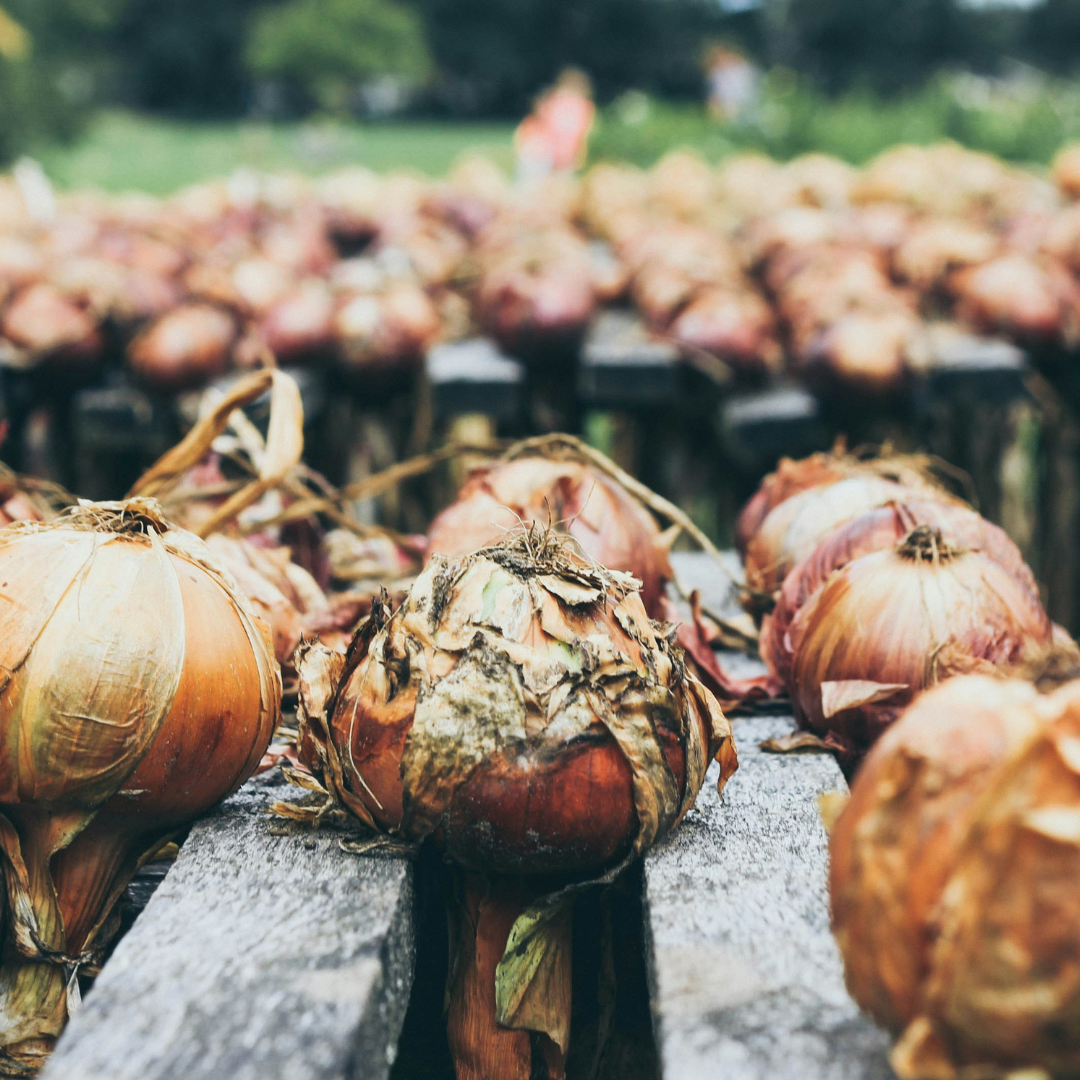
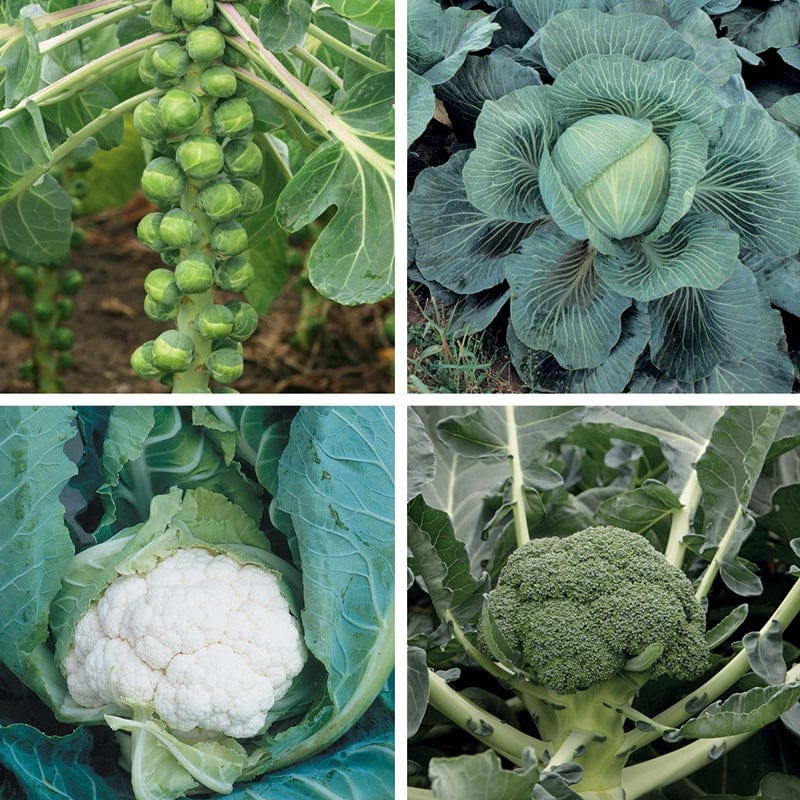
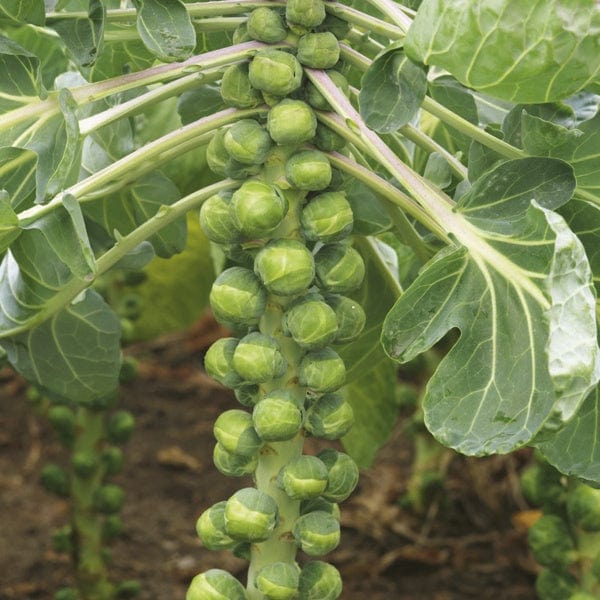
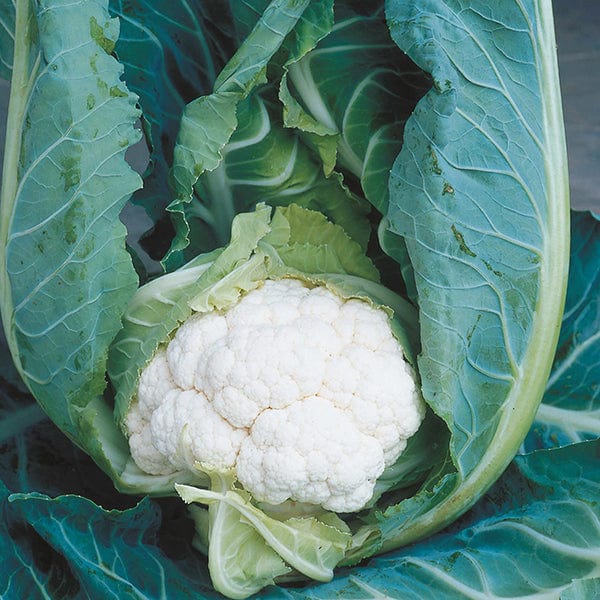
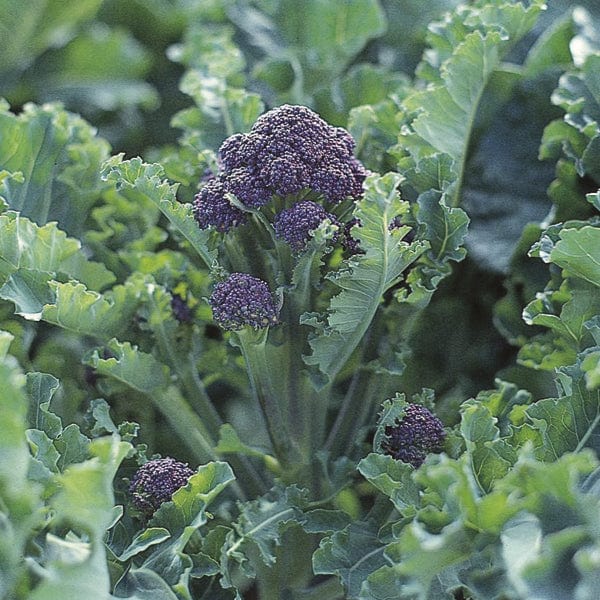
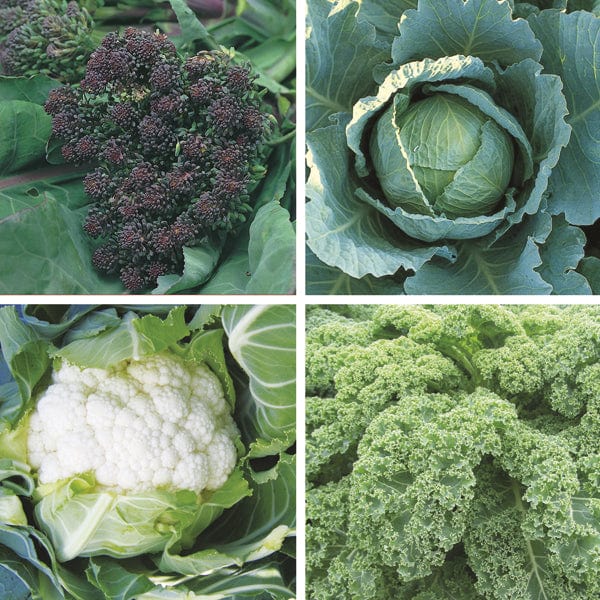
The length of time you can store a seed depends a lot on the conditions, but also on the species. Short-lived species include parsnip seeds, allium seeds, and parsley seeds; these seeds typically last just one year and are best sown in the same year they are bought. Medium-lived species include Brassica seeds and bean seeds, and these can last anywhere between three and five years. Some species are very long-lived, such as tomato seeds and cucumber seeds, and their seeds can be stored up to 10 years if the conditions are right. So if you’re wondering how long do tomato seeds last, the answer is quite some time when conditions are right.
When it comes to short-lived species, it's not worth taking the risk. Do not use old parsnip seeds for the sake of the cost of a new packet, as it will just result in disappointment.
While old seeds can germinate, it's important to note that germination rates do drop over time, so you might want to sow more seeds than you would ordinarily, just in case some don't come through.
Can I Use Leftover Seeds from Last Year?
Yes, you can use leftover seeds from last year, provided they were stored correctly and are not from any of the short-lived species listed above. Parsnip seeds, for example, are notoriously short-lived and need to be sown as fresh as possible.
If you're not sure about the viability of your seeds, you can conduct a simple viability test. Here’s how to do it:
Step 1:
Lay a wet paper towel inside an airtight container.
Step 2:
Take a few of the seeds you want to sow out of the packet and lay them spaced out on the wet paper towel.
Step 3:
Leave your container somewhere warm and bright for up to 7 days.
Step 4:
Examine your seeds. If you can see the seed shell splitting open or tiny roots beginning to develop, this is a good sign that your seeds are viable. If some of your seeds have started to germinate, but others haven’t, sow more seeds to compensate for this. You can use these germinated seeds either by lifting them gently off the paper towel or by planting the paper towel itself.
Related Products

How to Store Leftover Seeds for Next Year
Storing leftover seeds for next year is easy when you have a good-quality seed storage tin. These will help to keep out vermin that may eat your seeds. A seed storage tin will also keep your seeds in the dark and dry. However, it’s important that your seed storage is kept somewhere dry and cool. In the fridge is perfect, or in a garage or cool room in your house. Make sure that the seed storage tin is kept closed and that your seeds remain in the packet to avoid confusion about mislabelled seeds.
Long-Lasting Seeds at D.T. Brown
As long as you can keep your seeds dry, cool and away from sunshine, they will keep well. Some seeds naturally have a longer lifespan than others, so make sure you are being realistic with your expectations for storing your seeds. Don’t forget that if you’re unsure, you can carry out a simple seed viability test.
Our foil packs are designed to produce optimum conditions to extend the lifespan of your seeds. Order your seeds from D.T. Brown for freshness and satisfaction guaranteed.
If you have any questions about our wide collection of vegetable, fruit, and flower seeds, or any of our other high-quality products from our range, don’t hesitate to get in touch with us. A member of our team will be more than happy to help you.